
Strategic Minerals at Work
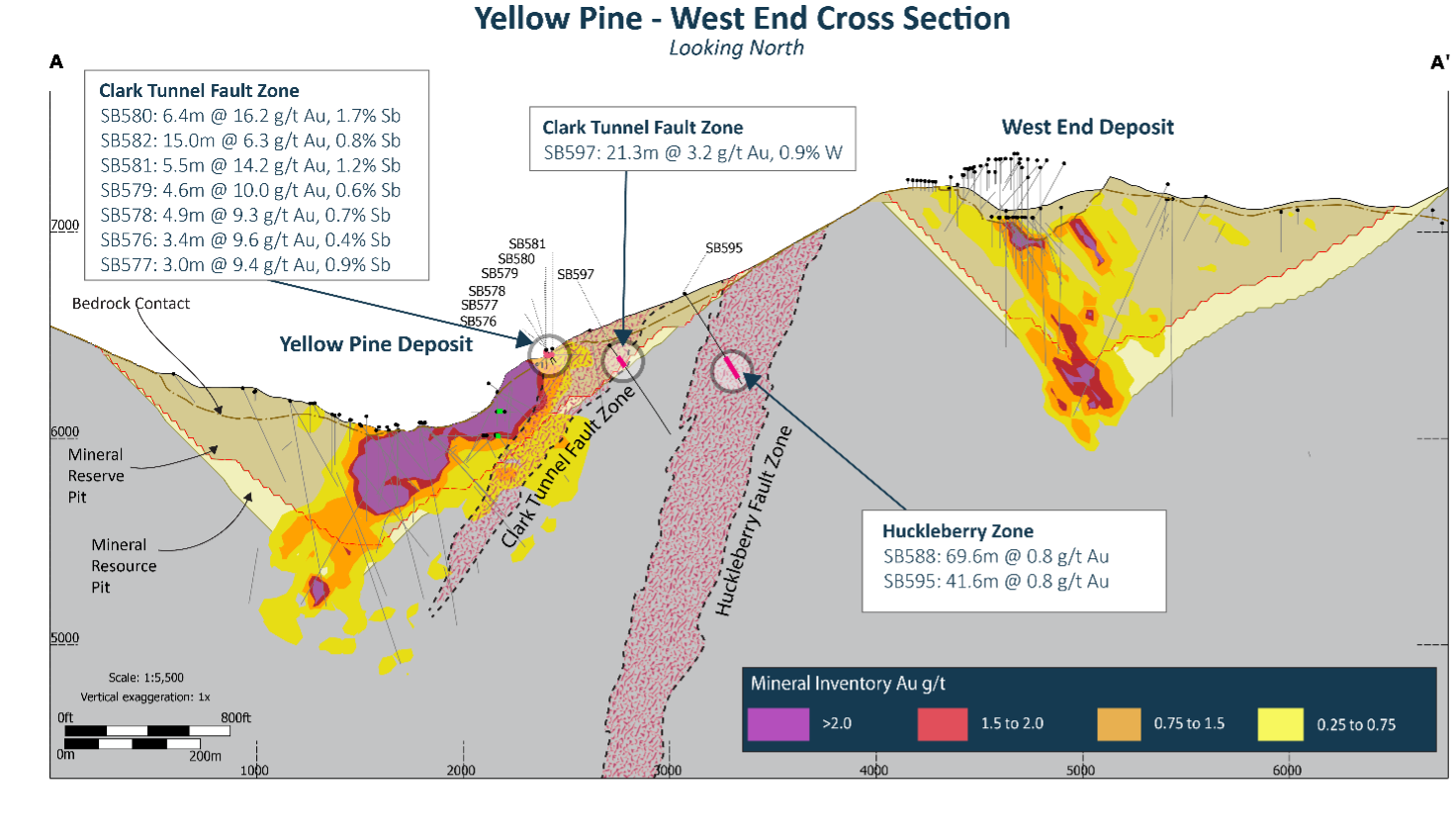
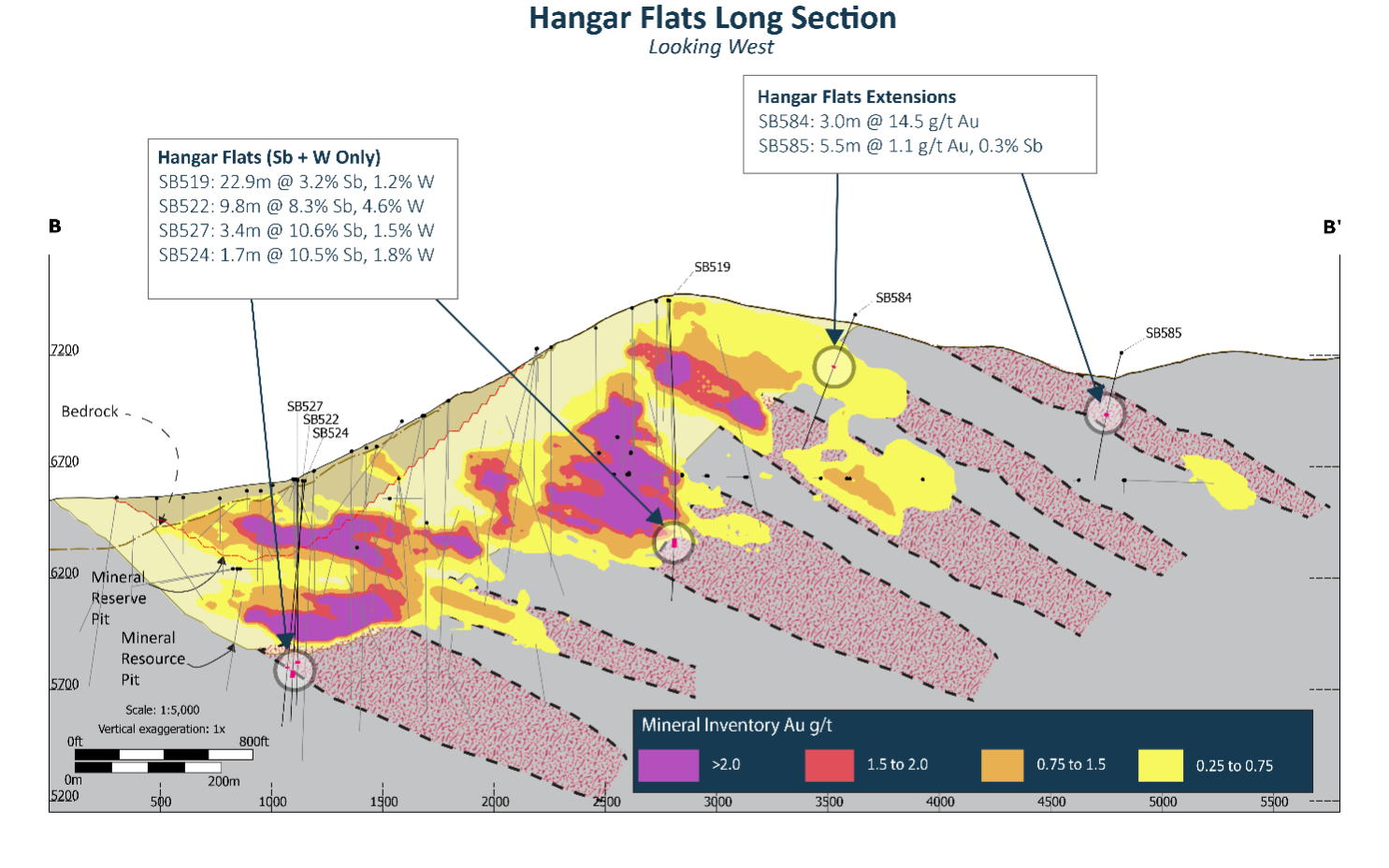
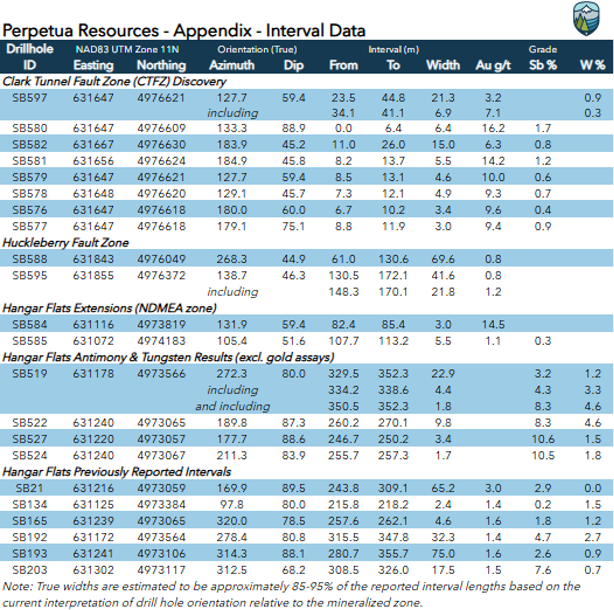
At Stibnite, gold and antimony play different but complementary roles, working together within a single, integrated operation. We are also exploring the feasibility of developing potential tungsten production, which would involve separate environmental review and permitting processes from the permitted Stibnite Gold Project.
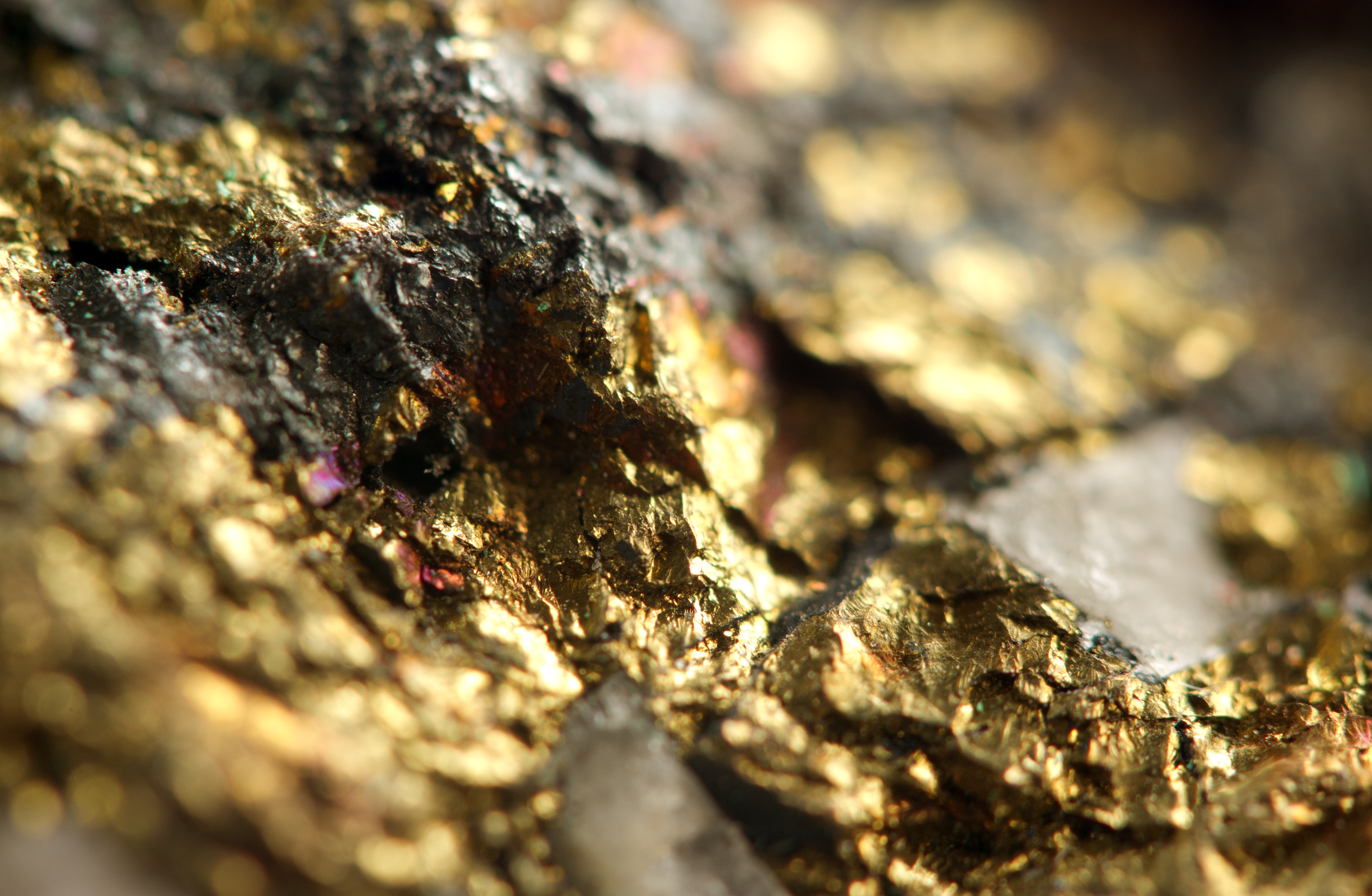
Gold: The Economic Engine
Gold is the primary economic driver of the Stibnite Gold Project. Our project is one of the largest and highest-grade open pits in the United States with over 4.8 million ounces in reserves. The Project’s combination of size, gold grade, and geological conditions drive compelling project economics. It supports the cost of operations, enables antimony production, and contributes to funding the environmental restoration efforts of the Project. Gold is widely used in electronics, aerospace, and medical technologies due to its conductivity and durability.
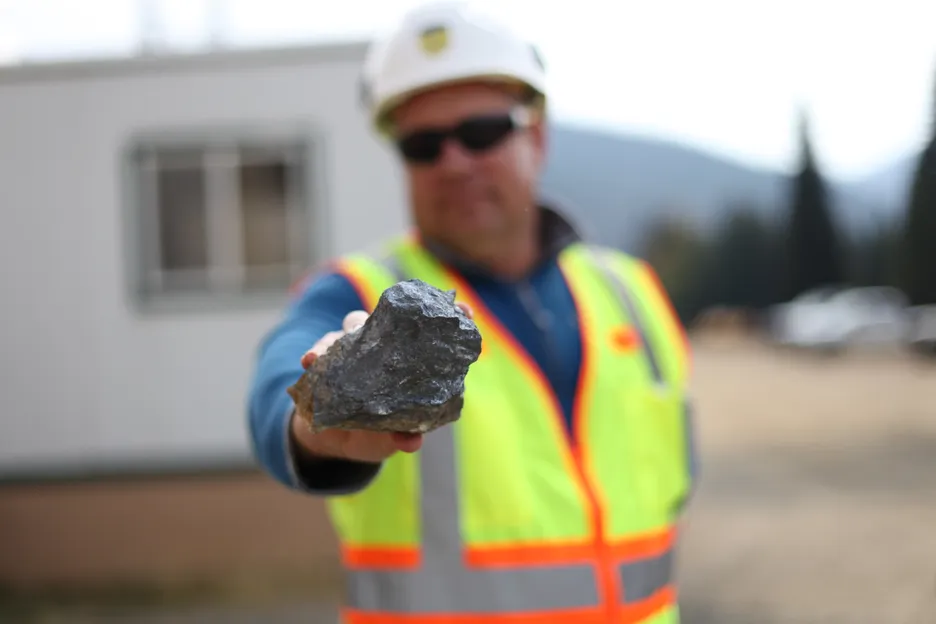
What is Antimony?
Antimony is designated as a critical mineral by the U.S. government because it is essential to American defense, energy, and technology applications but we do not have a secure, reliable supply. For the most part, antimony is used to harden metal, improve fire resistance and support technologies ranging from batteries and solar glass to electrical circuits. In addition to commercial products, antimony plays a key and non-replaceable role in the manufacturing of hundreds of types of defense munitions. However, most of the global supply of antimony is controlled by China and Russia.
Antimony
The Critical Mineral for a Secure & Sustainable Future
Antimony at Work

National Security Depends on Antimony
Antimony is essential to U.S. defense. It’s used in hundreds of types of small and medium caliber munitions, as well as night vision goggles, infrared technologies, precision optics, and more. The U.S. Department of War has awarded Perpetua Resources more than $80 million to support domestic antimony development at Stibnite.

Everyday Technology Runs on Antimony
Antimony is used in electronics, wiring insulation, and flame-retardant materials found in everyday devices. With limited primary domestic production, U.S. demand has relied heavily on imports from non-allied nations that have constrained or outright banned export to service U.S. demand.
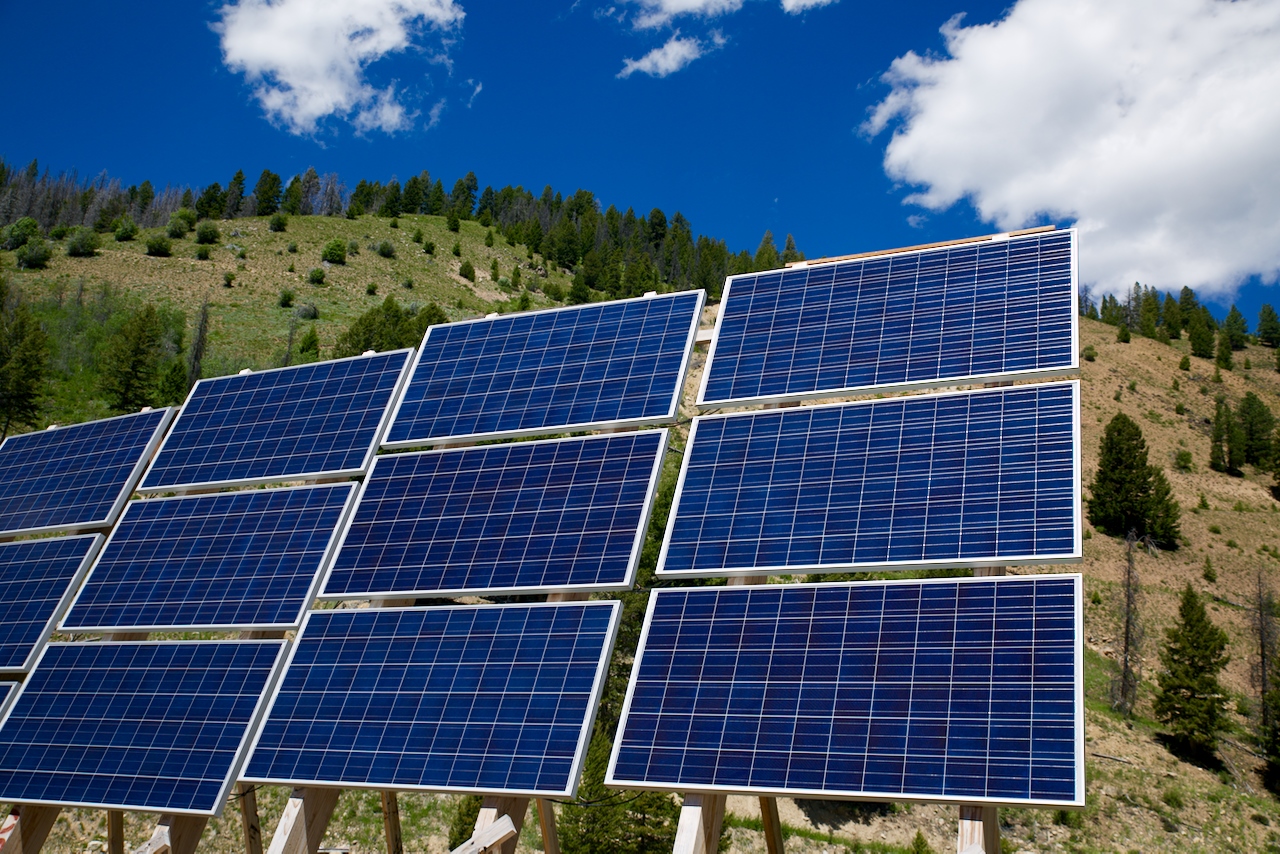
Energy Relies on Antimony
Antimony clarifies solar panels, strengthens hydro and wind components, and is an essential component in numerous emerging energy technologies. It plays a key role in the sustainable energy future.
Going for the W
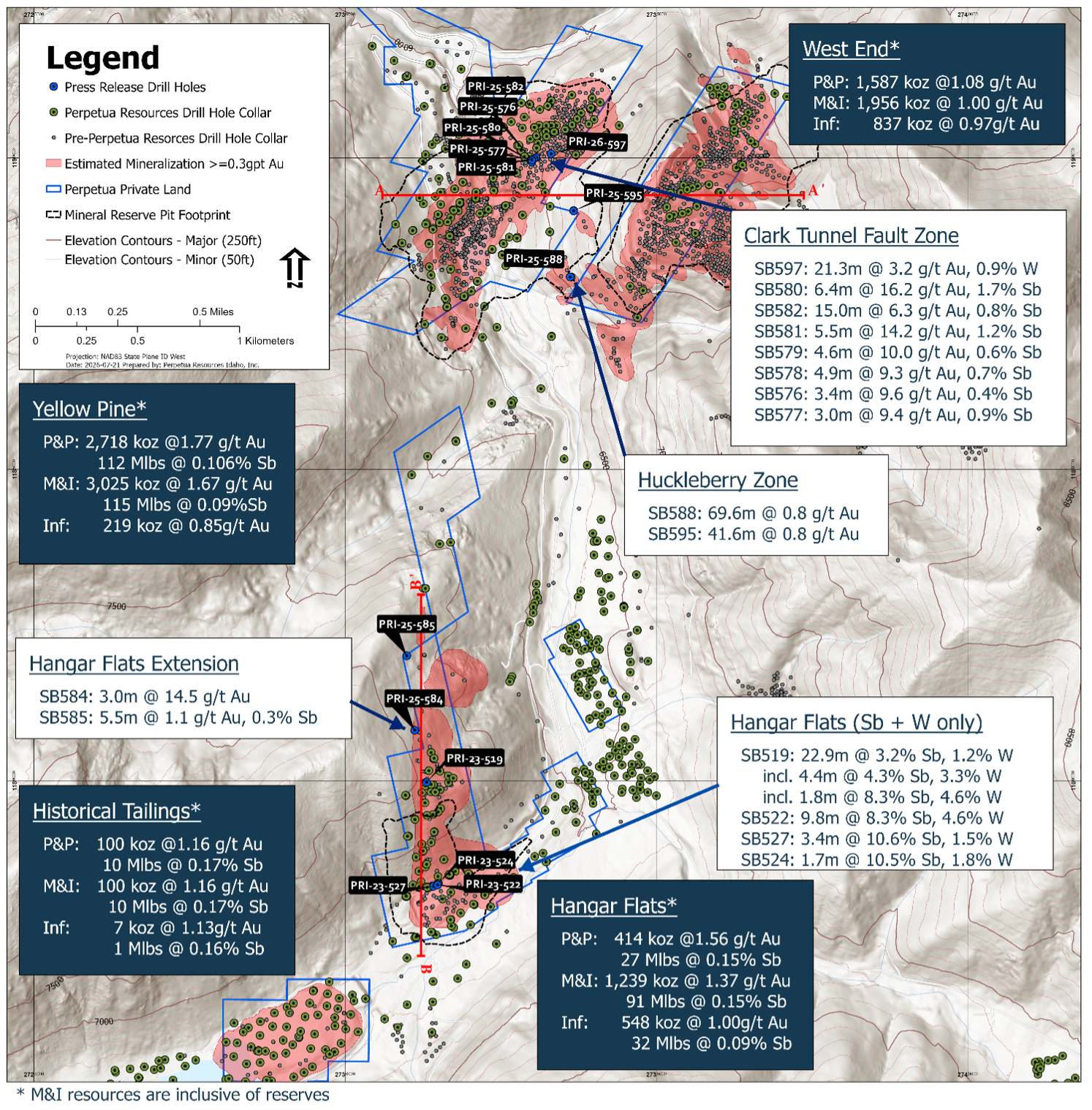
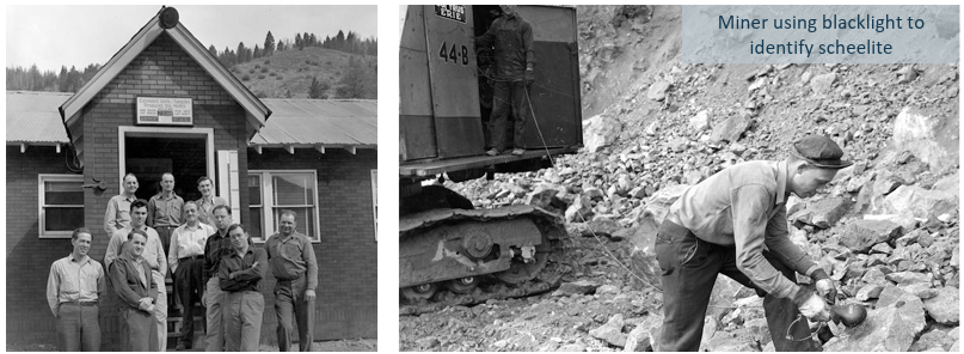
Stibnite produced 50% of the tungsten used by the United States during World War II. Perpetua is exploring the opportunity to unlock the potential for future tungsten production if additional testing and permitting prove feasible. Any tungsten development would require separate public and environmental review and permitting outside the scope of the currently permitted Project.
Strengthening U.S. Supply Chains
China controls much of the world’s mined and processed antimony, and recent export restrictions have further limited global supply. With one of the largest identified individual reserves of antimony outside Chinese control, our Project helps provide the United States a path to mineral independence.
148M
lb antimony reserve
- Only identified domestic reserve
- Nearest-term industrial-scale supply of domestic antimony
Explore Our Resources
Find reports, studies, and supporting documents related to the Stibnite Gold Project and its progress.