
The Future of American Mining Starts Here
Refined Through Listening
Two Resources, Strategically Connected
Gold and antimony work together. Perpetua’s 4.8-million-ounce gold reserve drives the project economically, while the 148-million-pound antimony reserve is the only identified reserve of the critical mineral in America.
The Stibnite Project stands to play a key role in supporting America because of antimony’s critical importance to national defense. Antimony is a crucial component for many military uses, and the Department of War has publicly stated that current supplies are very limited and that there is no available domestic supply source. To date, Perpetua has been awarded more than $80 million by the U.S. government to bring this project into production and secure a domestic antimony supply.
Local Investment, Shared Benefits
Giving Stibnite a Second Life
Mine Plan
The Stibnite Gold Project mine plan was approved by the U.S. Forest Service after nine years of public input, study, and revision. The final approved plan is designed to progress in phases, with mining and restoration happening in tandem. From early construction through final restoration, each phase of the Project progresses toward our long-term goals: safe and responsibly produced American minerals and a stable, restored site with improved environmental conditions.
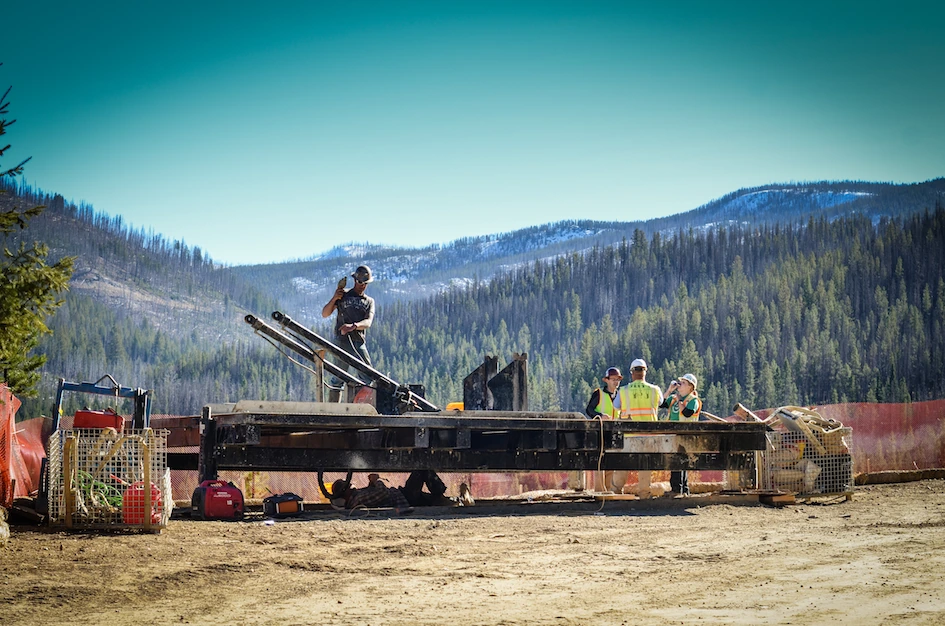
Phase 1: Construction
Pre-Production & Construction
Site preparation is underway, including infrastructure development, access improvements, and environmental controls in place.
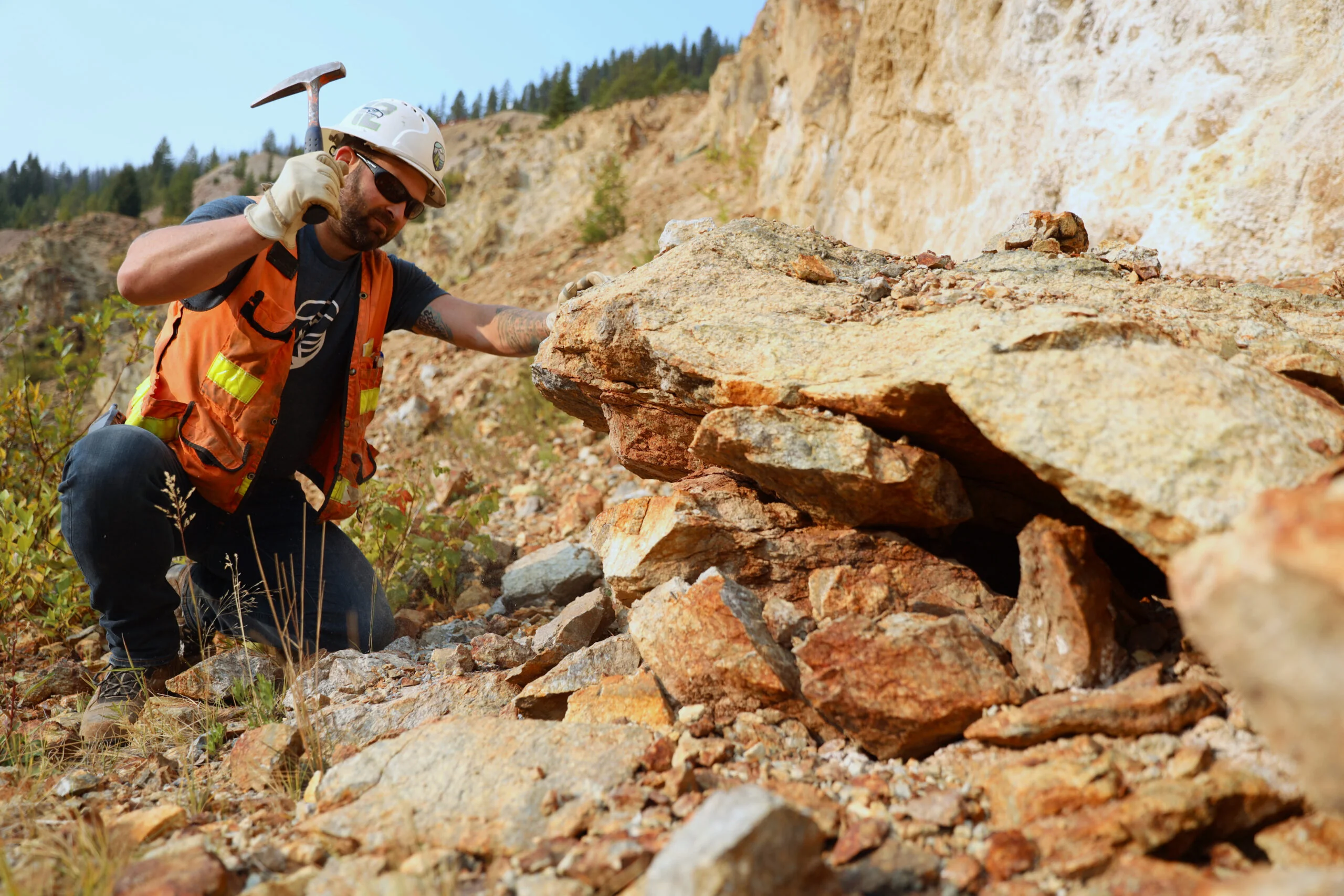
Phase 2: Mining & Restoration
Operations and Concurrent Restoration
Mining and restoration go hand in hand. Early mining operations will occur alongside building a temporary fish passageway to reconnect salmon to spawning grounds, removing legacy materials, and working to reestablish wetlands.
Mining activities for gold and antimony will include extraction of ores from two previously mined open pit deposits – the Yellow Pine Pit and West End Pit and the creation of a new pit, the Hangar Flats Pit.
When mining is complete, the Yellow Pine Pit will subsequently be backfilled, and the East Fork South Fork of the Salmon River will be reestablished to flow naturally for the first time in nearly a century. Reestablishing the river supports fish migration to miles of habitat not naturally accessible today. The Hangar Flats pit will also be backfilled.
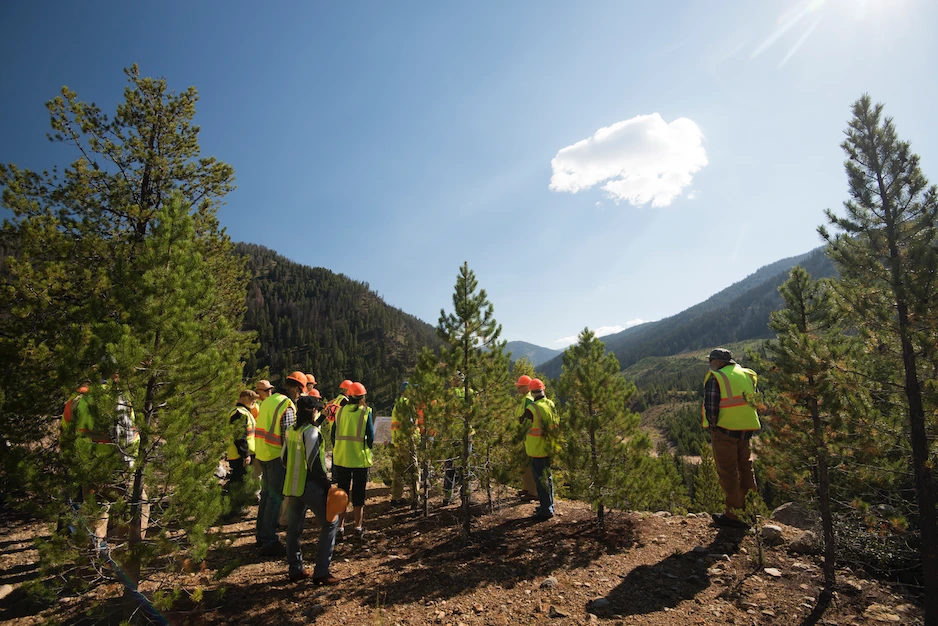
Phase 3: Final Restoration
Transition to Restoration-Led Phase
Once mining winds down, restoration and closure will become the primary focus across the site. Planned restoration activities include backfilling two of the three open pits and reestablishing the natural flow of the river.
During final closure, it’s our job to ensure all post-mining features are stabilized and the closed features are performing as expected – including meeting requirements relating to water quality, vegetation regrowth, and habitat and wetlands criteria.